The Fig Tree Still Has A Purpose
Going Through The Bible Together

Sarah Melvin
February 2, 2026
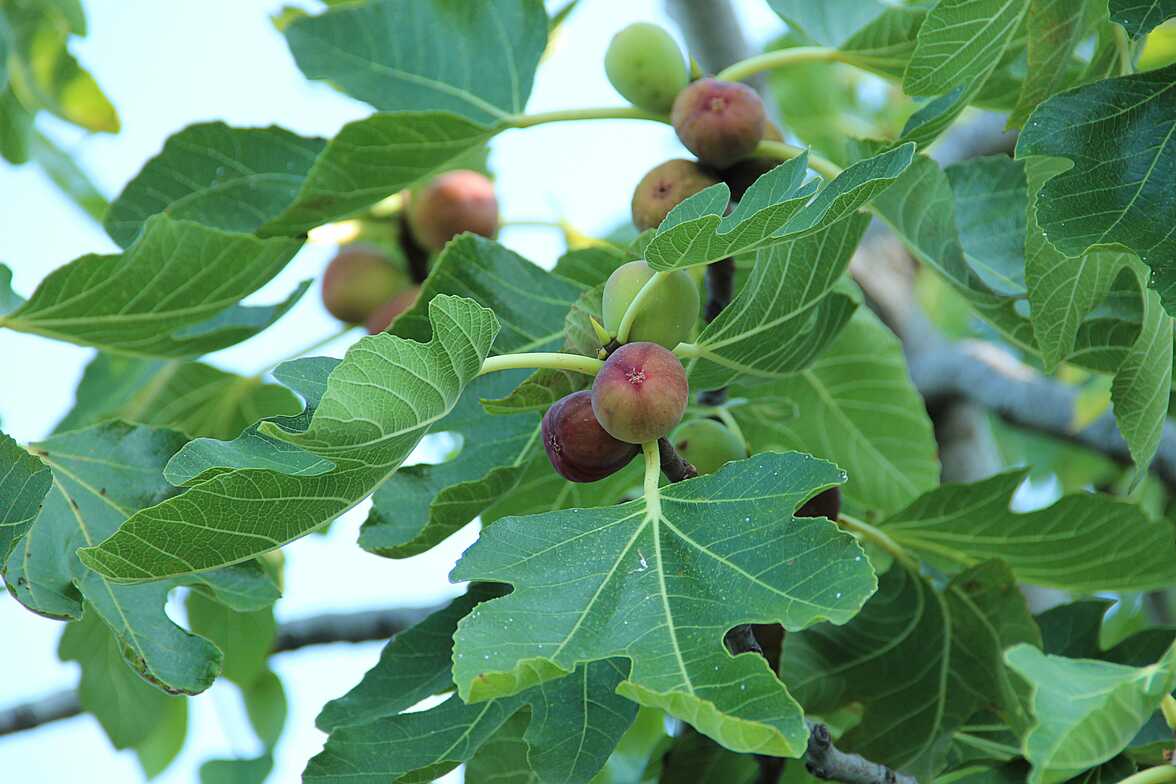
The Fig Tree Still Has a Purpose Today
Matthew’s purpose in writing his gospel was to show that Jesus fulfilled the Old Testament prophecies; that Jesus was who He said He was.
God used Matthew’s skill of accuracy in tax collecting for His glory in retelling the story of Jesus.
“In the morning, as Jesus was returning to Jerusalem, he was hungry, and he noticed a fig tree beside the road. He went over to see if there were any figs, but there were only leaves. Then he said to it, “May you never bear fruit again!” And immediately the fig tree withered up.”Matthew 21:18-19
The fig tree had leaves but no fruit. It seems dramatic for Jesus to curse it. There must be a greater purpose. There must be a reason for Jesus’ actions, and a reason for Matthew to include this account in his gospel whose purpose was to prove to a Jewish audience that Jesus was without a doubt the Messiah.
The nature of a fig tree is to first produce fruit, then the leaves would come. If there are leaves, the fruit should also be there. During the time of this story in scripture, the fig tree was not in season. It should not have produced fruit yet, however, it had leaves which gave the appearance of having fruit.
Was He referring to church leaders that had the appearance of holiness, but not the fruit? Maybe Matthew’s intention with including this story was to reveal the truth of the intentions of the religious leaders to Jews who were blindly following them.
A couple chapters later in Matthew, Jesus says this:
““The teachers of religious law and the Pharisees are the official interpreters of the law of Moses. So practice and obey whatever they tell you, but don’t follow their example. For they don’t practice what they teach. They crush people with unbearable religious demands and never lift a finger to ease the burden. “Everything they do is for show. On their arms they wear extra wide prayer boxes with Scripture verses inside, and they wear robes with extra long tassels. And they love to sit at the head table at banquets and in the seats of honor in the synagogues. They love to receive respectful greetings as they walk in the marketplaces, and to be called ‘Rabbi.’”Matthew 23:2-7
““What sorrow awaits you teachers of religious law and you Pharisees. Hypocrites! For you are like whitewashed tombs—beautiful on the outside but filled on the inside with dead people’s bones and all sorts of impurity. Outwardly you look like righteous people, but inwardly your hearts are filled with hypocrisy and lawlessness.”
Matthew 23:27-28
We can look holy but not truly be holy if our heart is not rightly aligned with Jesus. A heart that is humble and repentant will go a long way in our journey to holiness, to likeness to Jesus.
Back to the fig tree in Matthew 21. “The disciples were amazed when they saw this and asked, “How did the fig tree wither so quickly?” Then Jesus told them, “I tell you the truth, if you have faith and don’t doubt, you can do things like this and much more. You can even say to this mountain, ‘May you be lifted up and thrown into the sea,’ and it will happen. You can pray for anything, and if you have faith, you will receive it.”” Matthew 21:20-22
Often times, Jesus does not answer questions directly. In this case, He asks a question that points the disciples attention away from the miracle, and toward a lesson that He needs them to fully comprehend before He leaves. They have to know that they are more than able to do the work of the Father. They were being commissioned, as are we today. The closer we are to God and His word, the more we can put this into practice. When we truly know God and His will, we can have faith to ask.
This excerpt is from Mathew Henry’s commentary on Matthew 21. “ This tree had put forth leaves out of season. It’s, so to speak, outran its fellows, but its premature growth was all deception. Our Lord when he came to it found nothing there on but leaves only. It had overleaped the needful stage of putting forth green figs and rushed into a fruitless verdure. It was great at wood and leaf, but worthless for fruit. In this it sadly resembled to Jerusalem, which was verdant with religious pretense and forward with a vain enthusiasm, but it was destitute of repentance, faith, and holiness, which are far more important than pious formalities.”